“Each generation gets to reinvent art in its own image.”
White, Kit. 101 Things to Learn in Art School. Paperback edition, MIT Press, 2024.
Discovery, lifelong learning, and curiosity best describe my interest in starting to blog again. After a website redesign, I shared my first post (Back-to-School) last week, a brief essay about prepping for my spring art class, Modern and Contemporary Art at the MFAH. An excerpt from the course description follows.
Modern and Contemporary Art at the MFAH
“The course is designed to encourage a critical understanding of the meaning and function of selected art examination and analysis, as well as discussion of societal and historical contexts of all objects and design artifacts within their original historical contexts and the museum context. Emphasis is placed on visual and verbal examination and analysis of the major stylistic and thematic trends in modern and contemporary art.”
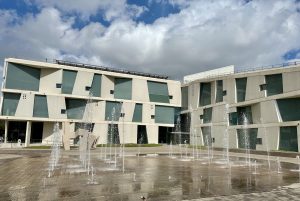
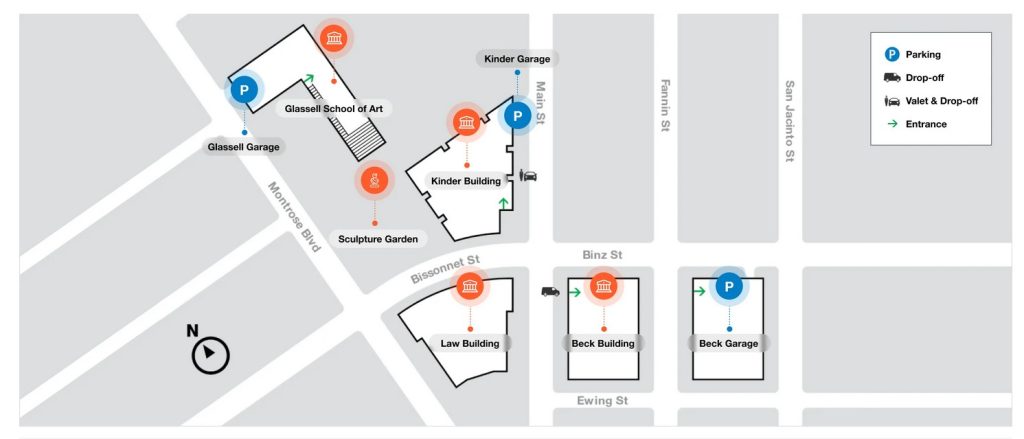
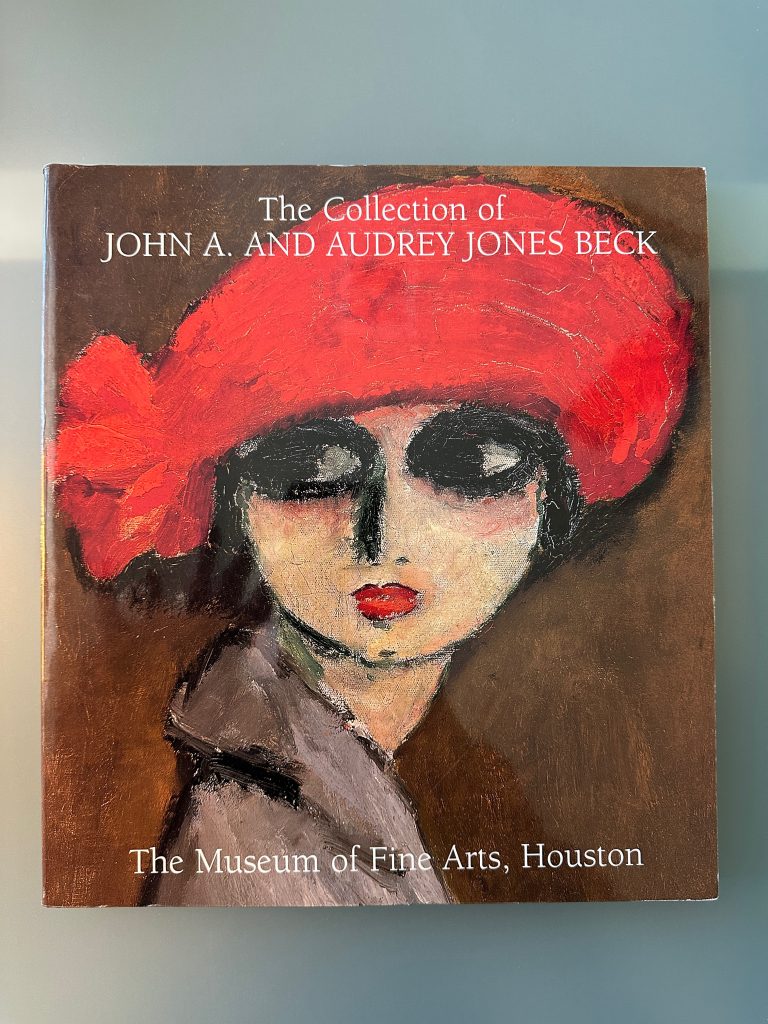
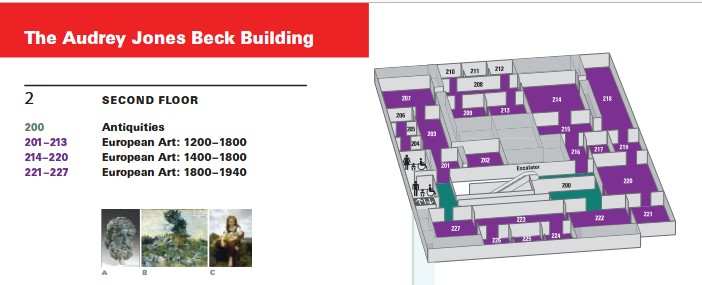
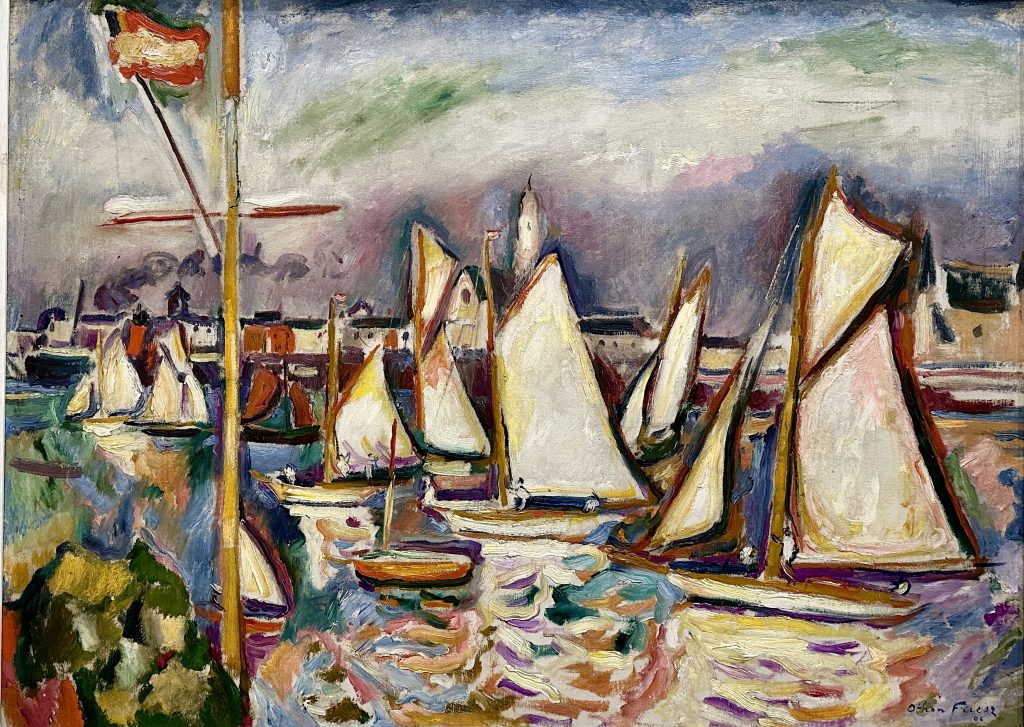
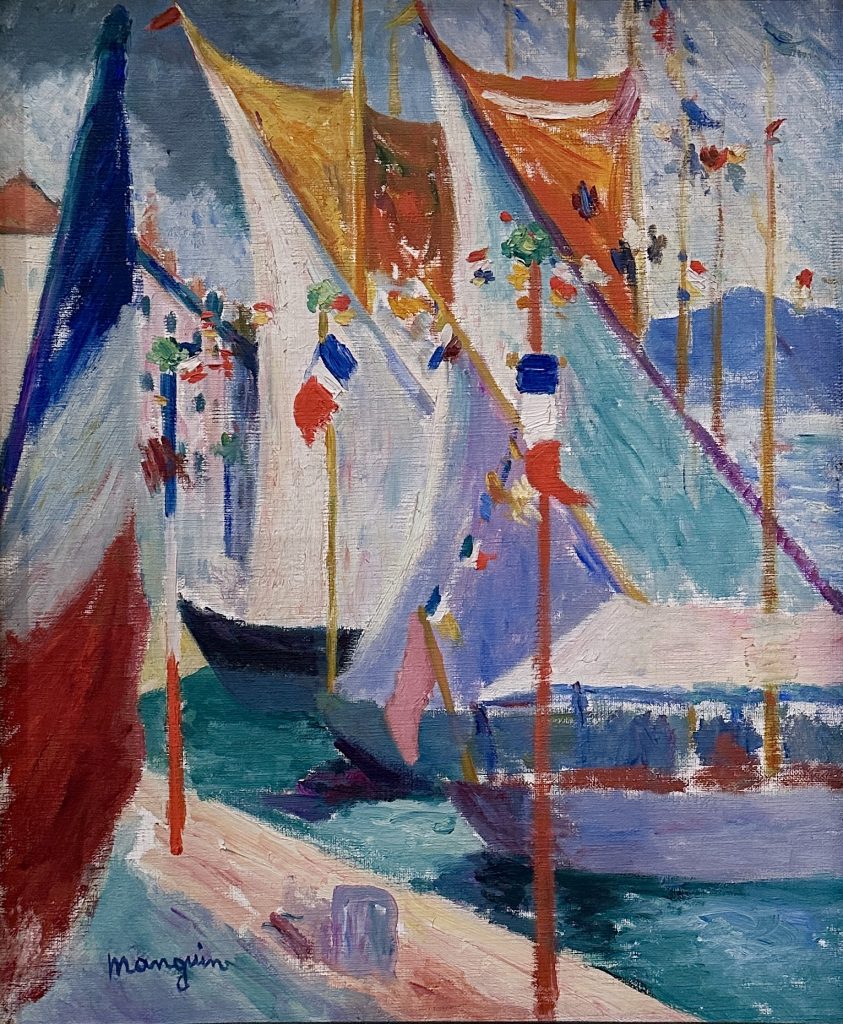
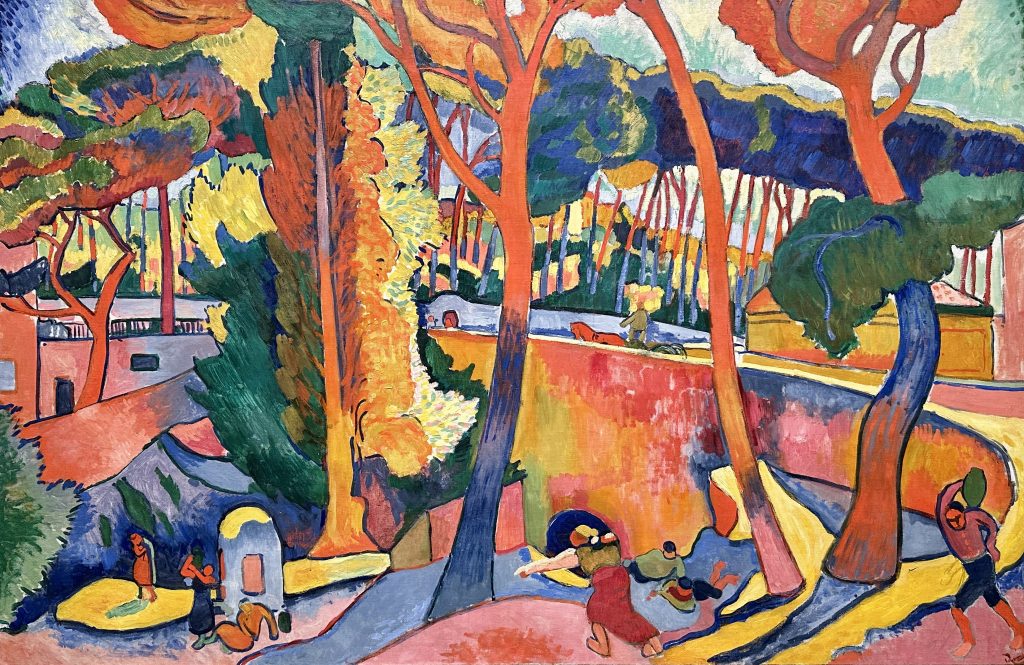
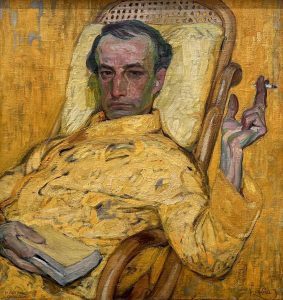
The professor covered a lot of material in class this week: Fauvism, German Expressionism, Cubism, and the School of Paris: 1900s–1930s. Before class, I visited the Nancy and Rich Kinder Building and the Audrey Jones Beck Building. Rather than viewing a broad sample of each major topic, I chose Fauvism as the focus of my pre-trip visit to the MFAH.
Fauvism was a short-lived art movement that emerged in the early 1900’s. Characterized by bold colors and intense brushwork, the Fauves, translated as “wild beasts,” strove to capture emotion rather than reality. The most well-known Fauve artist is Henri Matisse. Other artists associated with Fauvism at the MFAH include André Derain, Kees van Dongen, and Maurice de Vlaminck.1
In February 2024, I visited the museum’s temporary exhibition Vertigo of Color: Matisse, Derain, and the Origins of Fauvism. A virtual tour of the exhibition provides insightful commentary about the summer Henri Matisse and Andre Derain spent working together in the French Mediterranean fishing village of Collioure. The exhibition celebrated the birth of modernism and included paintings, watercolors, and drawings created by both artists.
Next up: From Representation to Abstraction, and back to Representation
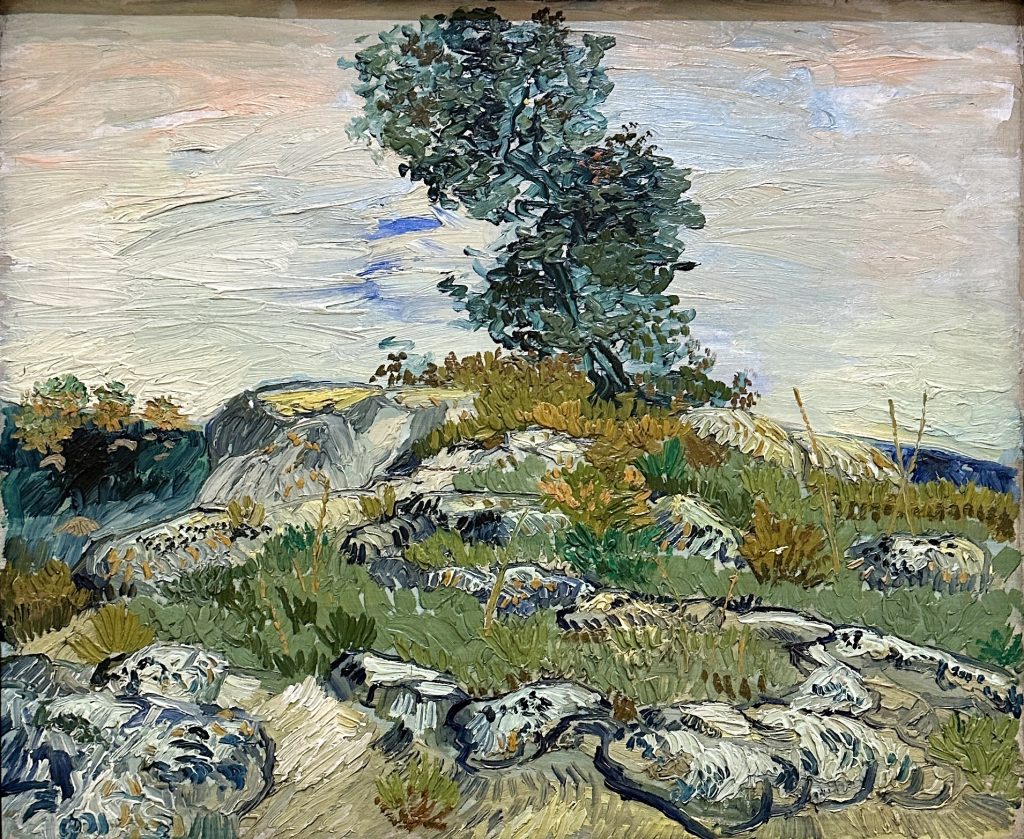
- Images of the artworks were taken during my visits on February 25 and March 3, 2026. ↩︎