August already? What happened? At the end of the spring class, I poured all my energy into preparing the paper required for course credit; one thing led to another, and now the summer is almost over! So…this is a look back, several months later, at the last few weeks of my class.

“Learn to speak about your work.”
White, Kit. 101 Things to Learn in Art School. Paperback edition, MIT Press, 2024.
Over the remaining five weeks of class, our lectures focused on the following topics:
- Forms of media such as photographs, prints, and drawings
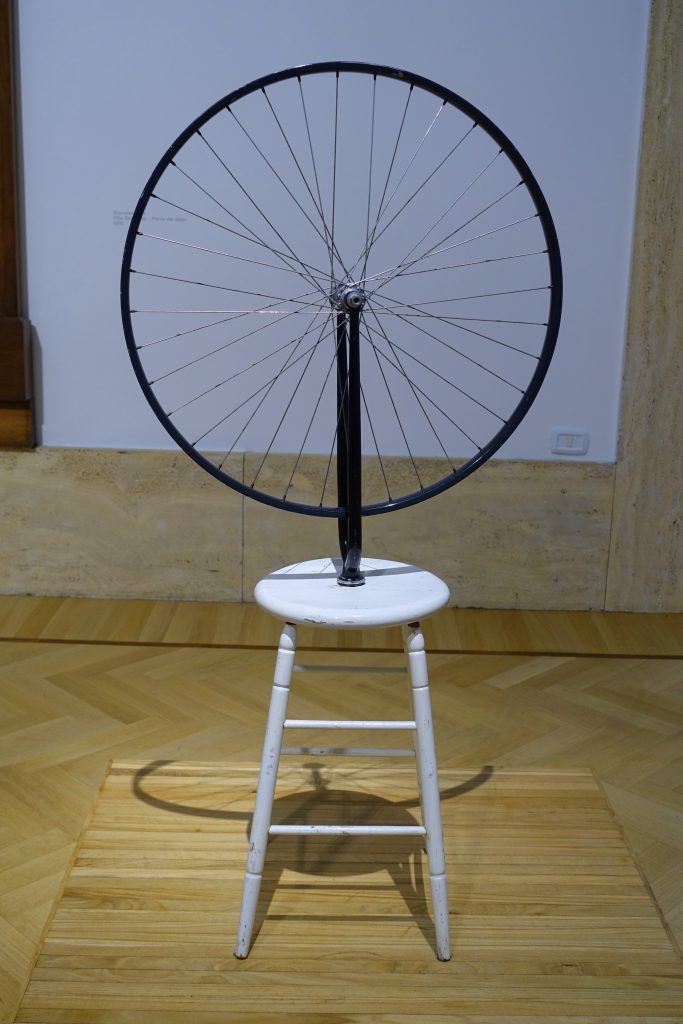
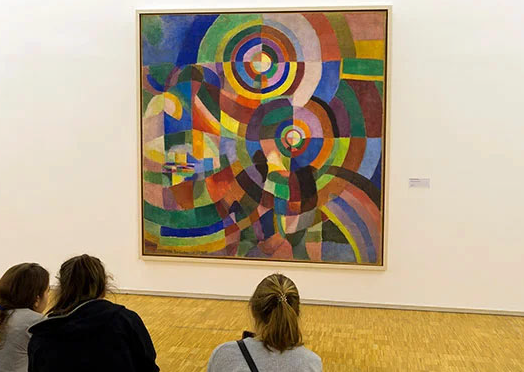
- Art movements from the School of Paris and Surrealism through Postmodernism
- Art from Latin American and LatinX art
- In-situ (site-specific) commissions and installations for MFAH
We covered a lot of material related to the museum’s holdings, but one of my favorites was Mrs. Cameron’s Photographs from the Life, 1864-1869. The creator, Julia Margaret Cameron, received a camera from her daughter and son-in-law in 1863 when she was 48 years old. As a token of her appreciation, she presented the couple with The Norman Album about six years later.


Cameron captured poignant images of well-known figures, including Charles Darwin and Alfred Lord Tennyson; stunning photos of women; and depictions of dramatic historical scenes.1 Acquired by the MFAH in 2021, her work of albumen silver prints from glass negatives is accessible online: https://jmc.mfah.yourcultureconnect.com/e/julia-margaret-cameron-album
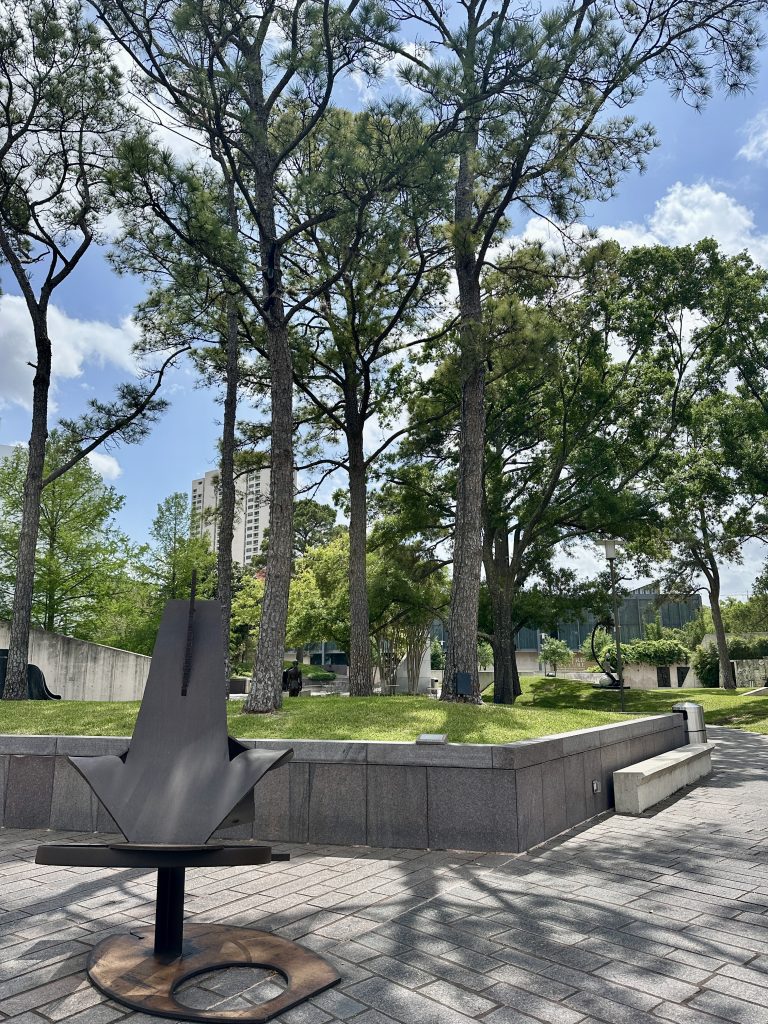
The Final Paper: Quarantania I
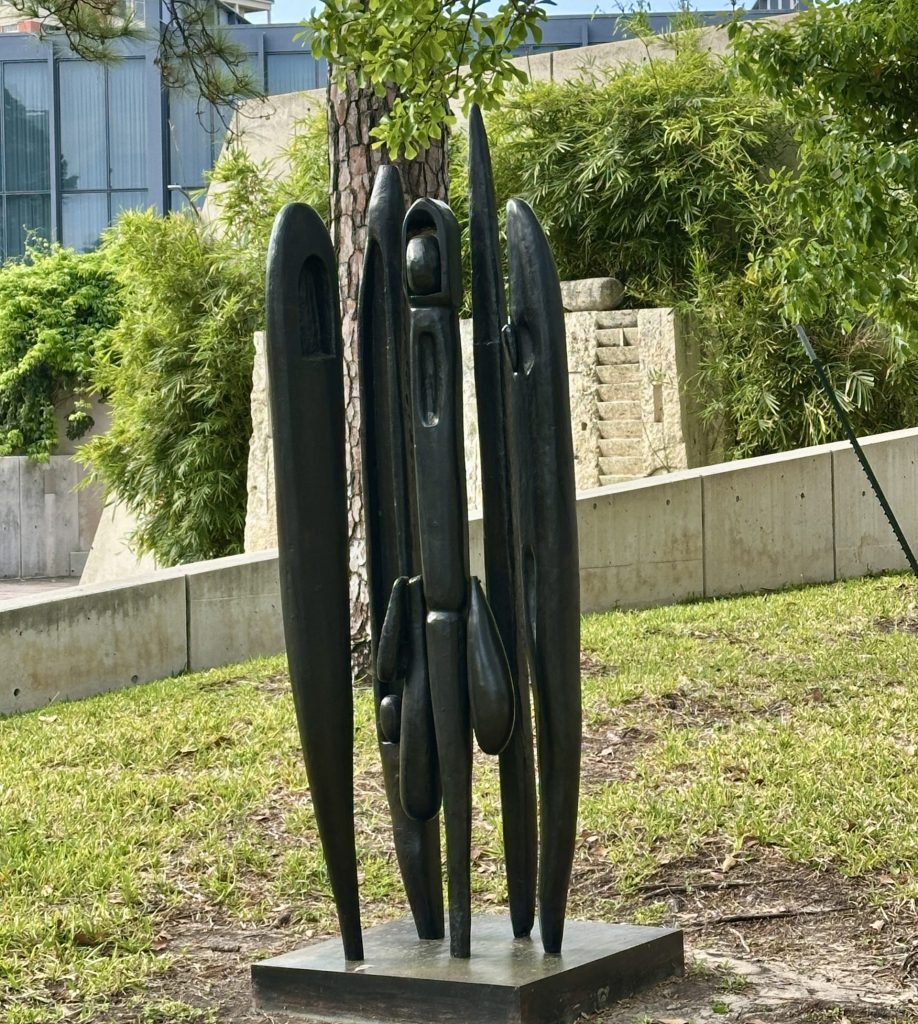
I decided to write my paper about the sculpture Quarantania I created by Louise Bourgeois. While not required, students typically present their papers on the last day of class. Since I would be traveling that day, I was caught off guard when the instructor asked me to speak at the beginning of class a week early.
Thankfully, being the last speaker helped to calm my nerves. Writing the paper expanded my knowledge of Bourgeois’s life and work, and it was an assignment I truly enjoyed. Immersing oneself in a project naturally injects enthusiasm into opportunities to share. Here is a short excerpt from my paper:
“Today, Louise Bourgeois is probably best known for her enormous, spindly bronze spider sculptures. She was, however, a complex, multi-faceted artist whose oeuvre includes paintings, drawings, prints, sculpture, and installations. In addition to Quarantania I, MFAH’s collection of Bourgeois’s work includes 61 prints, 10 drawings, and about a dozen other items. Cathartic and psychologically rooted in her memories of a traumatic and emotionally painful childhood, Bourgeois used her work to assuage her emotional struggles.”
Thank you to our instructor and to the other students for the expertise and knowledge graciously shared throughout this course! I’m looking forward to the start of “Learning from the Masters I” in less than two weeks.
- Daniel, Malcolm. July 29, 2021. Newsletter to Friends of the MFAH Photography Department. https://storage.ning.com/topology/rest/1.0/file/get/12201168492?profile=original ↩︎