
“The human brain is hardwired for pattern recognition.”
White, Kit. 101 Things to Learn in Art School. Paperback edition, MIT Press, 2024.
Interpreting the meaning of art can be particularly difficult when the subject or object isn’t familiar or “representational.” Typically, it’s easier to understand figurative art, for example, when a painting is a portrait or still life rather than abstract art. Historically, then, how did the art viewed as the best of its time evolve from depicting reality to undecipherable variations in color, line, and/or shape?
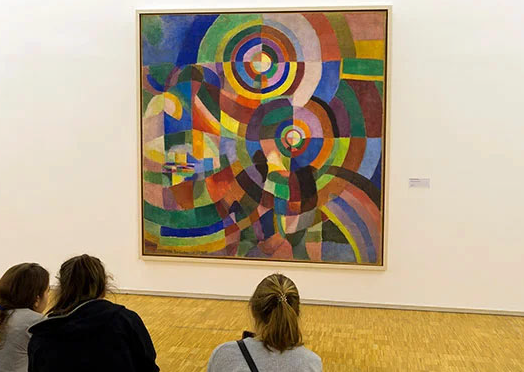
Recognizing that students often have difficulty understanding abstract work, the professor started class with a discussion of why we liked or disliked it. The discussion was informative and set the stage for learning to view abstract work objectively, even when it isn’t personally appealing.
During the late 19th century, artists such as Monet, an Impressionist, and Van Gogh, a Post-Impressionist, used innovative approaches to express a less formal, more subjective interpretation of the world. Using easels in the open air (en plein air), these artists captured perceptions of light and color in the moment. The quick brush strokes and unmixed pigments created an effect that seemed unfinished, a significant departure from the accepted classical style.
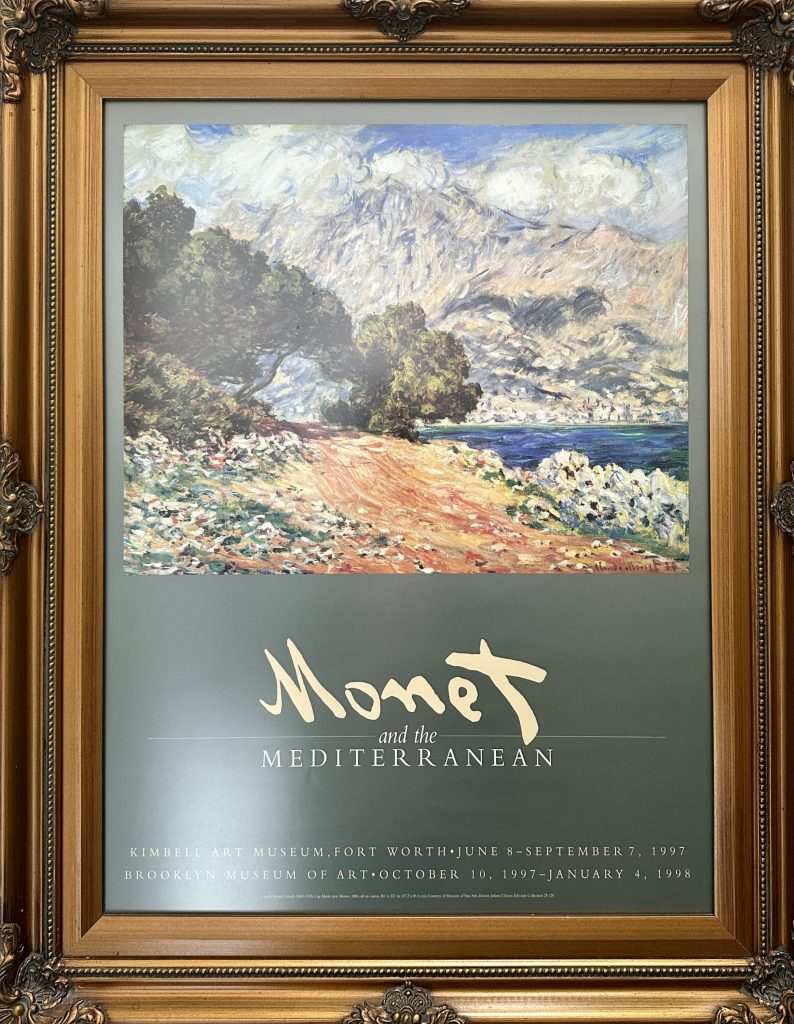
In 1905, a group of avant-garde French artists presented work at the Salon d’Automne in Paris. So bold and intense were the paintings, both in color and brushwork, that art critic Louis Vauxcelles referred to the group as the Fauves, or “wild beasts.” Fauvism paved the way for several art movements collectively known as Modernism, including Cubism, Expressionism, and Orphism, ultimately leading to Abstract Expressionism by the middle of the twentieth century.
At the end of class, students participated in a visual analysis of a 1912 work by Vassily Kandinsky. A key figure in the German Expressionism movement, Vasily Kandinsky also presented work at the Salon d’Automne from 1904 to 1910.1
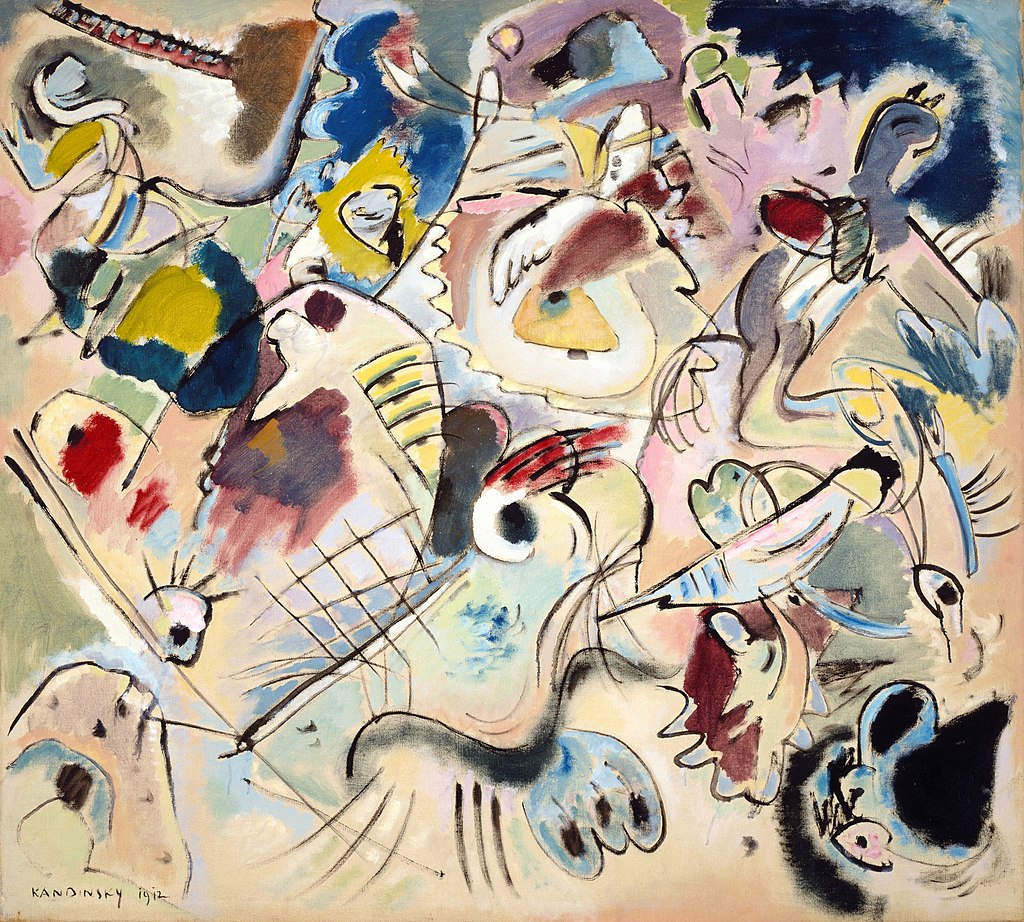
At first glance, the sketch appears chaotic, full of wildly disorganized lines, contrasting vivid and subdued colors, and a confusion of shapes. On further study, recognizable images seem to emerge – perhaps a bird or fish. In the upper right-hand corner, a man appears to ride a horse, skyrocketing toward the edge of the sketch. Could a piano be hiding in the work as well? It would not be surprising. Kandinsky blended his sensual connection to music with the spirituality expressed visually in his art. According to the Beck Collection catalog, the composition is an “allegory of the struggle between good and evil.”2
One last note: I chose a topic for my writing assignment! The sooner I get started, the better. More to come after Spring Break.
Next Up: The Cullen Sculpture Garden